

close
Choose Your Site
Global
Social Media

Views: 0 Author: Site Editor Publish Time: 2025-11-06 Origin: Site


Warmth, durability, and a timeless aesthetic — wood offers a classroom advantage that few other materials can match. While modern materials like plastic and metal dominate certain school furniture segments, Wood School Chair options continue to hold a unique place in educational environments, combining functionality, comfort, and sustainability.
At Tianjin OKBUY Import and Export Trading Company, we understand that schools need more than just seating. A well-designed chair influences posture, focus, and even classroom culture. In this article, we will explore why wood stands out in the classroom, including performance, maintenance, sustainability, and scenarios where investing in a Wood School Chair is the smart choice for schools, administrators, and procurement officers.
Understanding what makes a school chair genuinely wooden is the first step for buyers who care about quality, durability, and longevity. Not all wooden chairs are created equal, and the type of wood and construction methods directly influence performance and lifespan.
Solid hardwood is the classic choice for furniture, known for its density, strength, and natural beauty. Common species used in school chairs include oak, beech, and maple. Hardwood chairs tend to be heavier but offer remarkable durability, often lasting decades even with heavy classroom use. The natural grain and finish of hardwood also create a visually appealing environment that supports both learning and school branding.
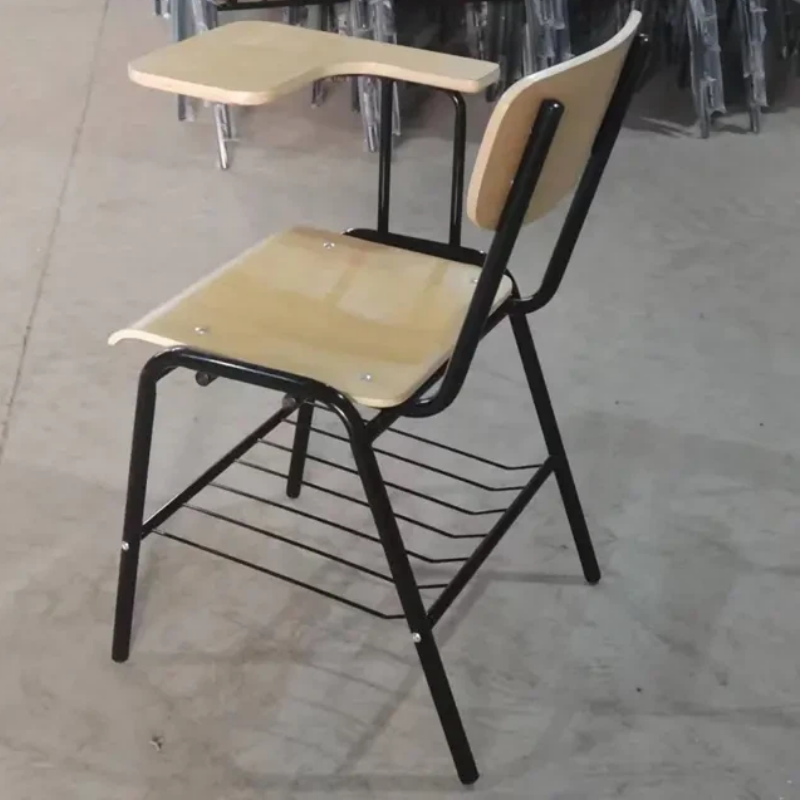
Plywood and laminated veneer chairs, on the other hand, are engineered from thin layers of wood bonded together. Plywood offers excellent stability and resistance to warping, while laminated veneer allows for more creative shapes and flexibility. High-quality plywood or laminated veneer chairs can handle daily classroom wear while being slightly lighter than solid hardwood, making them easier to move and rearrange during lessons or activities.
Adding to this, modern finishing techniques allow plywood or veneer chairs to mimic the elegance of hardwood while maintaining durability. This opens possibilities for schools that want aesthetic appeal without compromising ergonomics or structural integrity.
When evaluating wooden chairs, the assembly method is just as important as the material. Mortise-and-tenon joints, glued laminates, and reinforced frames contribute to long-term stability. A chair built with solid joinery will resist wobbling, support heavy use, and maintain alignment over years of student activity.
In addition, attention to ergonomic shaping—like subtle curves in the seat and backrest—ensures that students of varying ages and sizes can sit comfortably for extended periods. These construction details may seem minor but have a major impact on classroom performance and student posture.
Wooden chairs offer tangible advantages in educational environments that go beyond looks. From durability to acoustics, the material’s natural properties enhance daily classroom experiences.
Unlike many plastic or metal alternatives, wood can often be repaired instead of replaced. Scratches, dents, or loose joints can be refinished or reinforced, extending the chair’s lifespan. For schools with large student populations, this means fewer disruptions during busy academic years. A chair that can be repaired rather than discarded also reduces waste and contributes to sustainable management practices.
Moreover, wood ages gracefully. Over time, minor marks and wear can give a chair character without diminishing performance, creating a classroom environment that feels lived-in yet cared for.
Wooden chairs absorb sound more effectively than hard plastics or metals, reducing echoes and creating a calmer learning atmosphere. This is particularly beneficial in open classrooms or lecture halls, where noise can be distracting.
Additionally, wood naturally retains warmth, making chairs feel more comfortable in cooler classrooms. Unlike metal or plastic surfaces that can feel cold or harsh, wooden seating contributes to a welcoming environment, which can enhance concentration and reduce student restlessness.
Wood contributes to an inviting classroom aesthetic, fostering a sense of quality and care. A well-designed wooden seating arrangement communicates investment in the learning environment, positively impacting student and teacher perception.
Schools that prioritize appearance and ambiance often find that wooden chairs complement other classroom furniture while strengthening the institution’s overall image. Warm tones of natural wood, whether in traditional finishes or painted styles, convey a message of thoughtful design and attention to detail. This can play a subtle yet important role in school branding and student satisfaction.
Concerns about upkeep, hygiene, and safety are common objections to wooden chairs. In reality, these can be managed effectively with the right care.
Wooden surfaces can be cleaned with mild detergents or school-safe disinfectants without compromising the finish. Avoid harsh chemicals that can degrade varnishes or paints. Regular maintenance routines, including gentle wiping and dusting, preserve the chair’s appearance and hygiene. In classrooms with younger students, spill management is especially important, and well-finished wood makes cleaning quick and effective.
Even with careful use, scratches or dents can occur. The advantage of wood is the ability to sand, refinish, or touch up small areas instead of replacing the entire chair. Schools can maintain a consistent appearance for years, reducing the long-term cost of furniture replacement.
Schools must meet strict safety standards. Many wooden chairs are treated with fire-retardant coatings or certified finishes that comply with local codes. Buyers should request relevant certifications to ensure that their selection meets both safety and durability requirements. Properly finished wood also resists moisture and microbial growth, enhancing classroom hygiene without compromising style.
Beyond functionality, wooden chairs offer a compelling argument in terms of environmental responsibility and long-term value.
Ethically sourced wood, including FSC-certified options, ensures sustainable forest management practices. Reclaimed wood is another environmentally friendly choice, giving a second life to materials while reducing overall carbon impact. Schools increasingly consider sustainability as part of procurement decisions, and wood’s longevity aligns well with these initiatives.
Although initial costs may be higher than plastic alternatives, wooden chairs often have a smaller carbon footprint over their lifetime due to longevity and repairability. Durable wood reduces landfill contributions from frequently replaced plastic chairs. Choosing wood demonstrates a commitment to sustainable practices while still delivering high-quality classroom furniture.
A simple cost comparison illustrates value: dividing the purchase price by the expected lifespan provides a clear metric. Even if a wooden chair initially costs more, its extended durability often results in a lower annual cost compared to chairs that require frequent replacement. Schools can plan budgets more effectively and justify investment in premium seating that enhances student comfort and classroom aesthetics.
While wood excels in many contexts, there are scenarios where other materials may be more practical.
High-moisture areas, outdoor-only environments, or extremely short-term projects may require alternatives like metal, plastic, or stackable chairs. These options resist water and weather exposure better and may meet tight budget constraints. Understanding classroom-specific needs ensures the right material choice without compromising performance. For instance, gymnasiums or science labs may require chairs designed for heavy exposure to spills, making metal or polypropylene a more practical option.
In classrooms where comfort, longevity, and visual appeal matter, wooden seating remains an exceptional choice. At Tianjin OKBUY Import and Export Trading Company, we offer a range of wood school chair options that blend ergonomic design, durable construction, and aesthetic appeal. Investing in wooden chairs is not just about furniture — it’s about creating an environment that supports student well-being, enhances learning, and strengthens school image.
Explore our durable wood school chairs — contact us today to request a free finish sample kit or schedule a consultation to match the right wood chair to your classroom.
